


IDS Imaging Cameras
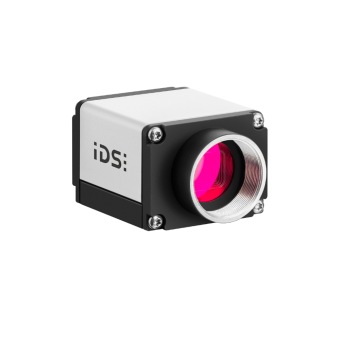
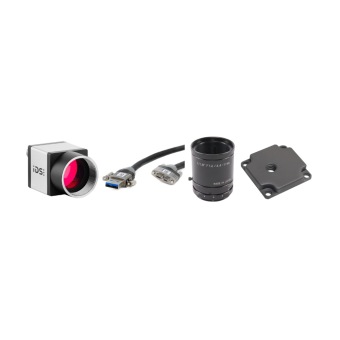
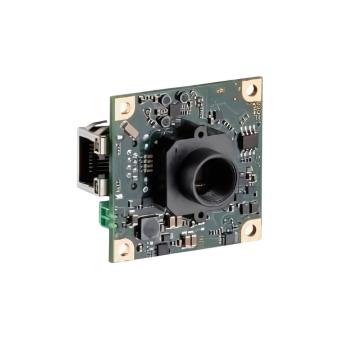
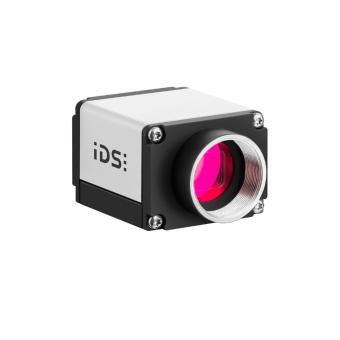
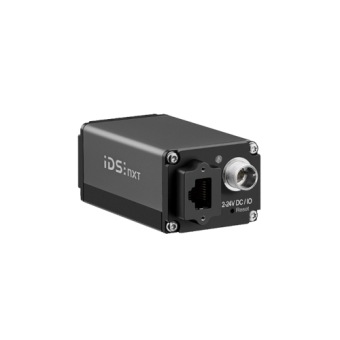
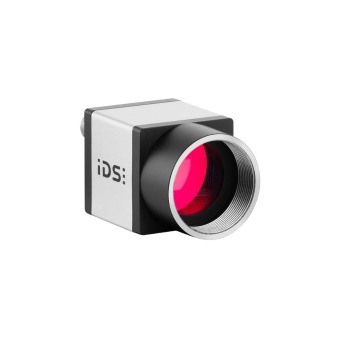
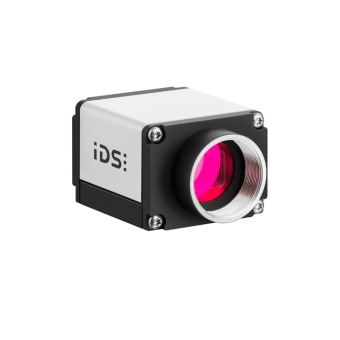
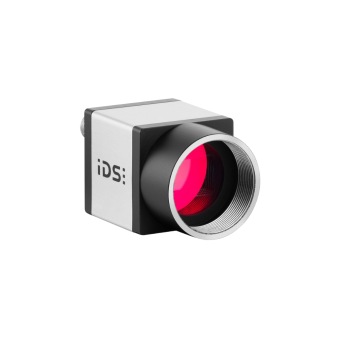
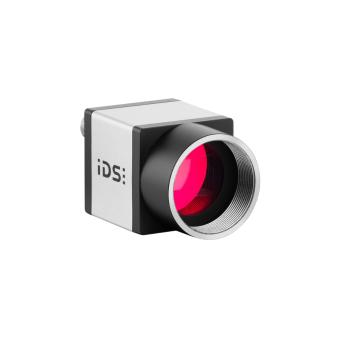
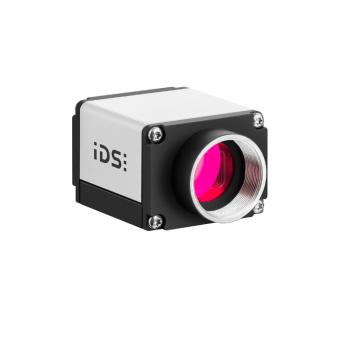
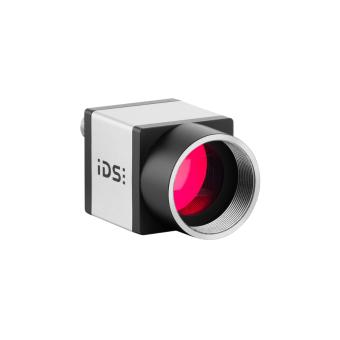
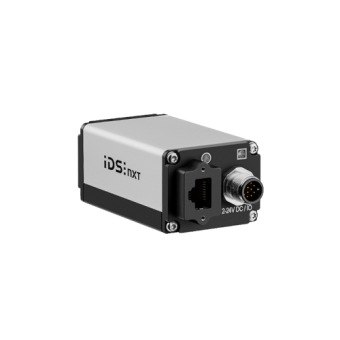
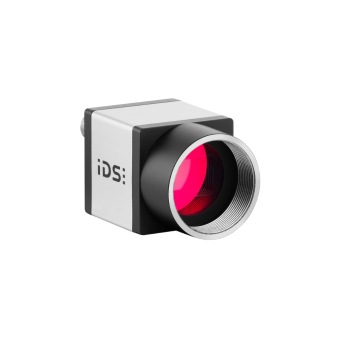
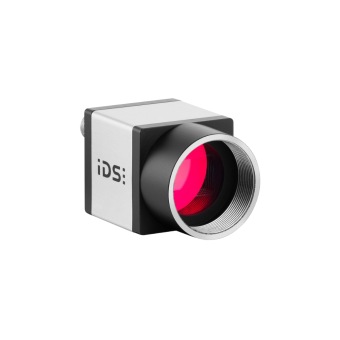
IDS Imaging cameras are often used in machine vision systems where image processing runs on a PC, embedded platform or vision controller. The camera provides the image, but the inspection is determined by the combination of sensor, interface, lens, lighting, cables and software. Especially with USB3 and GigE cameras, it must be clear in advance how much image data is needed, where processing takes place and how much margin is available in cable length, cycle time and exposure.
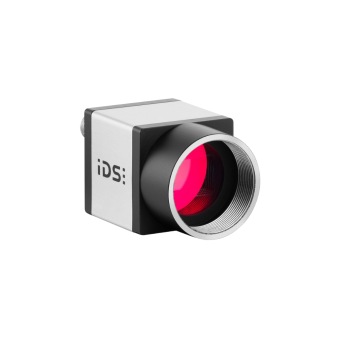
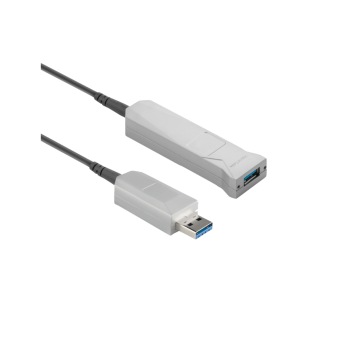
An IDS USB3 camera fits well when the camera is close to the processing unit and high data throughput is required. This often works well in compact machines and test setups. The limitation is mainly cable length, connector load and susceptibility to interference in an industrial environment. If the camera is further away from the controller or multiple cameras are used, GigE is often more practical because of the longer cables, network structure and industrial cabling.
More resolution does not automatically solve an inspection problem. The lens must bring the required detail onto the sensor and the lighting must provide enough contrast within the available exposure time. With moving products, an exposure time that is too long quickly leads to blur, even when the camera has enough pixels. For applications where this trade-off is still open, machine vision camera selection is more relevant than choosing a model directly.
When camera, optics, lighting setup and software are built internally, the limit usually becomes visible during machine vision self-integration. The first live image is not decisive; the real question is whether the system remains stable enough to measure, recognize or inspect at actual production speed.
336 Items

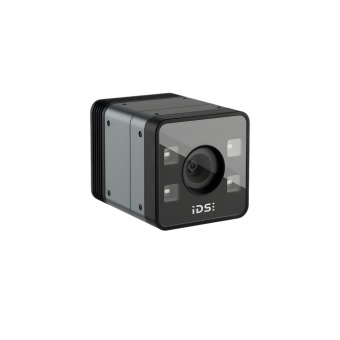
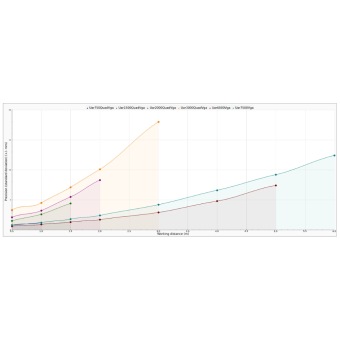
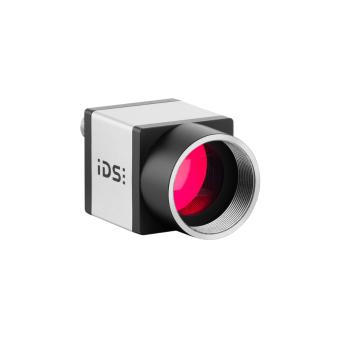
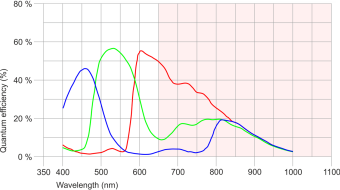
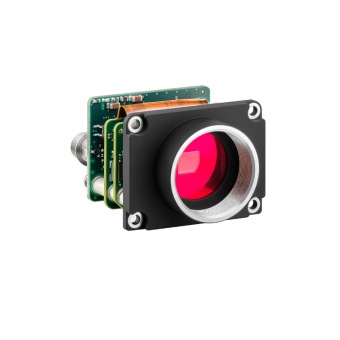
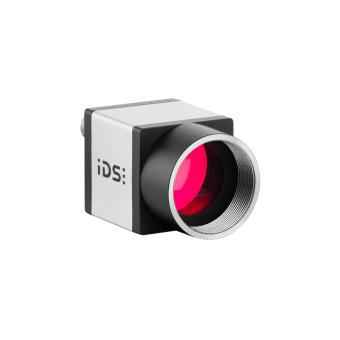
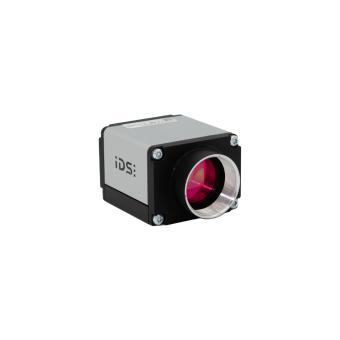
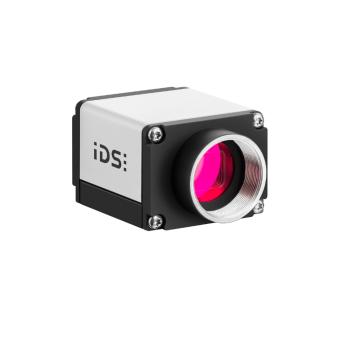
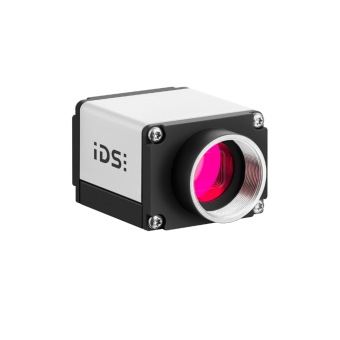
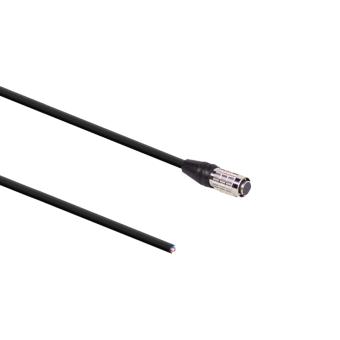
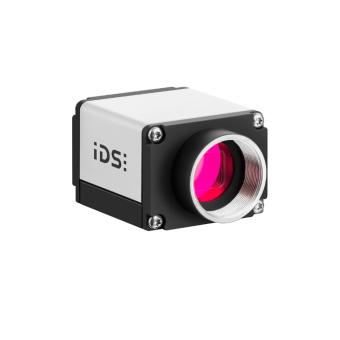
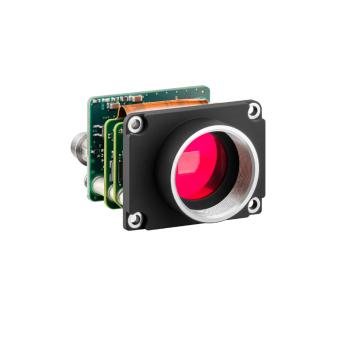
Didn't find what you were looking for? In addition to the products in our webshop, we have a broader range of IDS Imaging products in our portfolio. Feel free to contact us at sales@vision-consultancy.nl or fill out our contact form.