


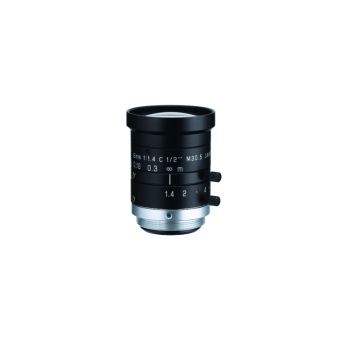
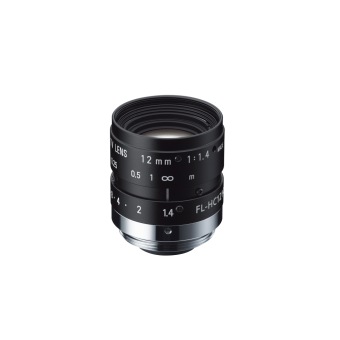
Optowl / Ricoh lenses for machine vision applications
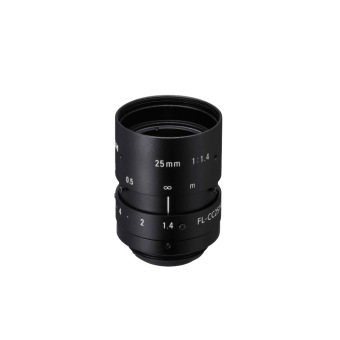
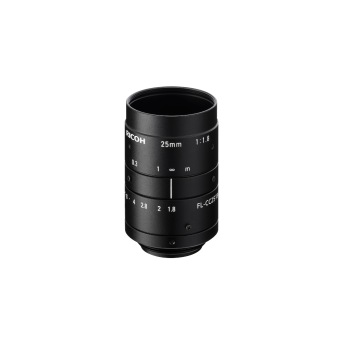
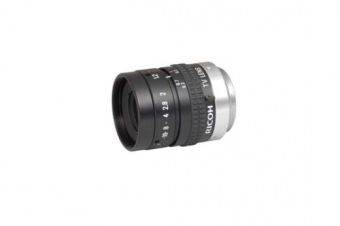
Optowl lenses, still known by many engineers as Ricoh machine vision lenses, are used in industrial imaging systems where sensor size, working distance, field of view and required detail resolution must match correctly. The brand name is changing, but the engineering problem remains the same: the lens must project the relevant product detail onto the camera sensor with sufficient sharpness, contrast and repeatability. If the lens does not match the sensor format or pixel size, a higher camera resolution will not solve the inspection problem in practice.
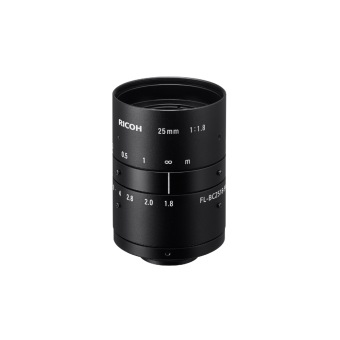
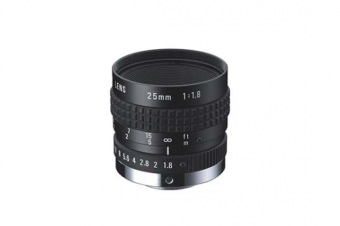
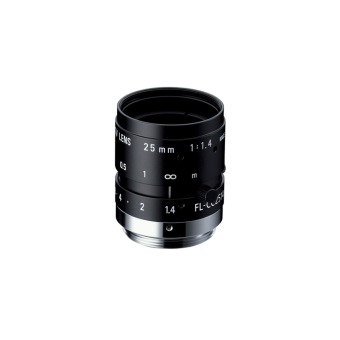
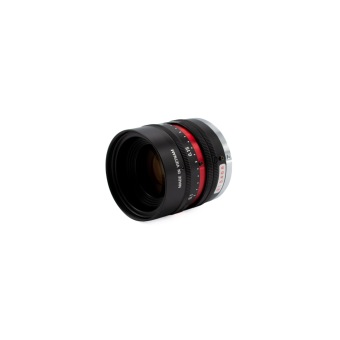
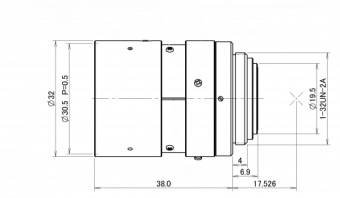
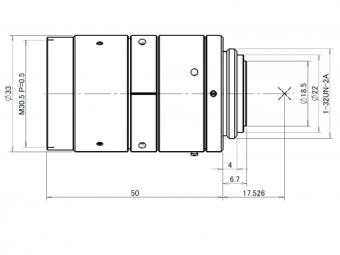
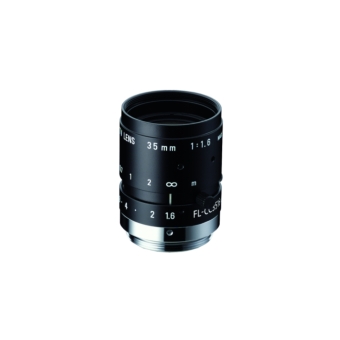
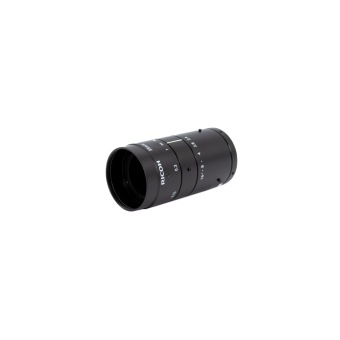
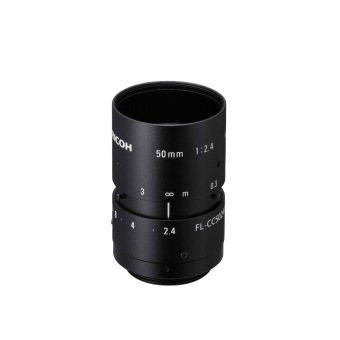
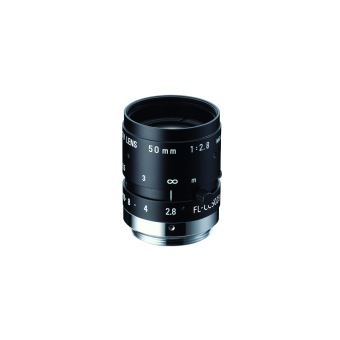
Many engineers still search for Ricoh lens series such as FL-CC, FL-BC or FL-HC, because these lenses are already used in existing machines and production lines. When replacing or selecting such a lens, focal length alone is not enough. Sensor format, field of view, working distance, aperture, edge performance, minimum pixel size and acceptable distortion together determine whether the image remains usable across the full inspection area.
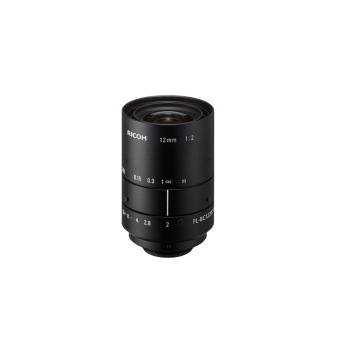
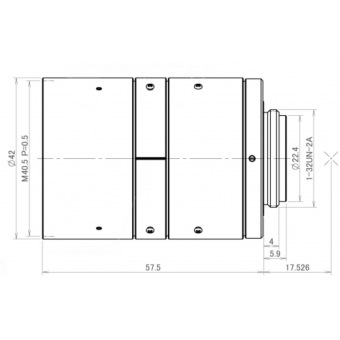
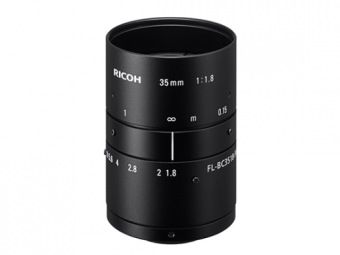
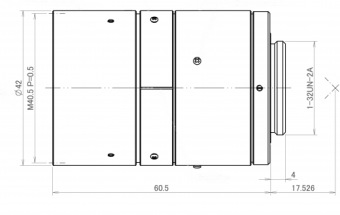
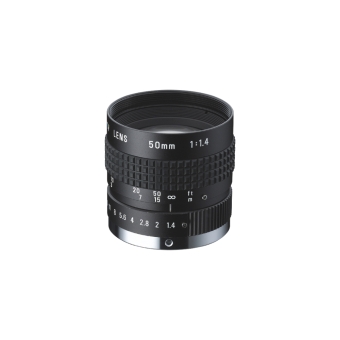
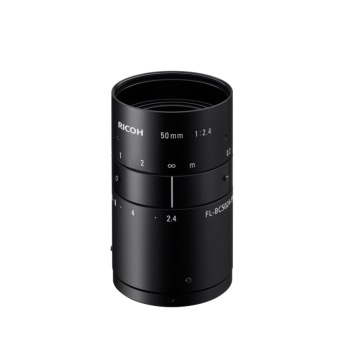
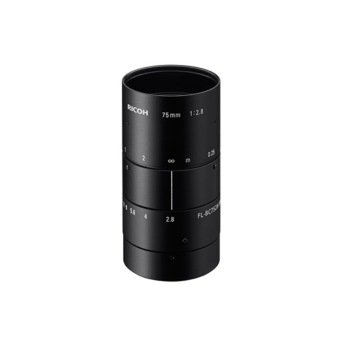
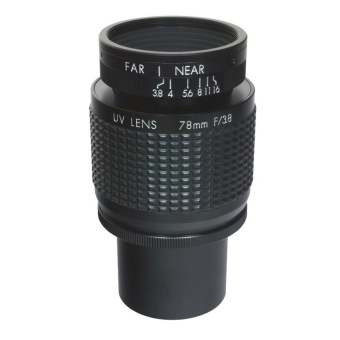
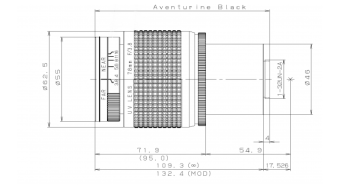
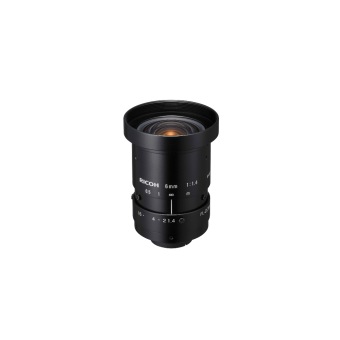
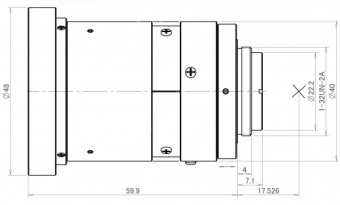
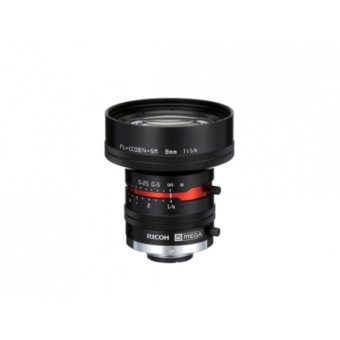
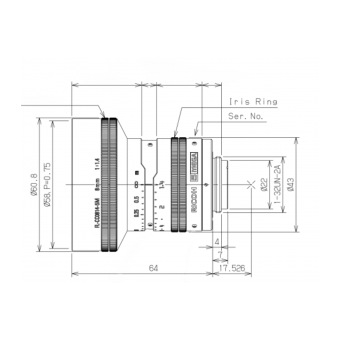
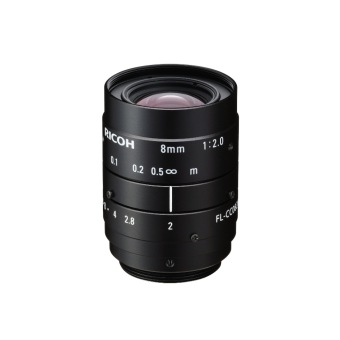
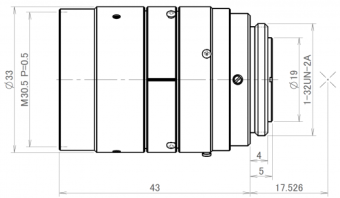
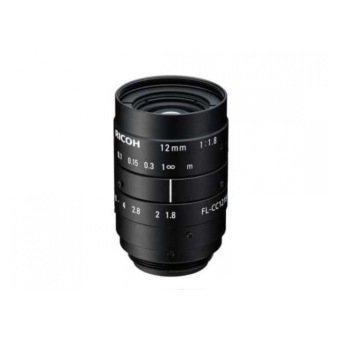
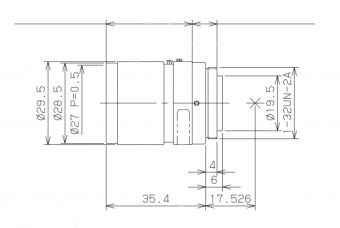
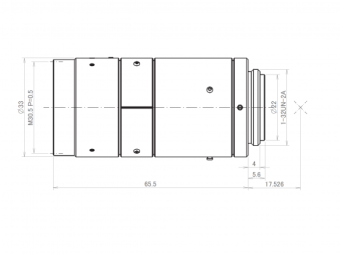
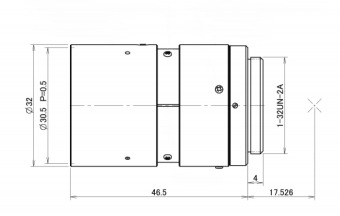
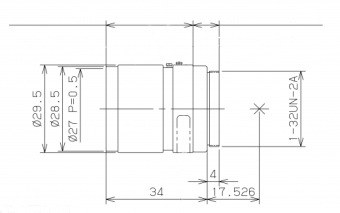
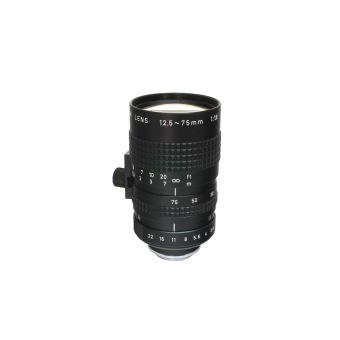
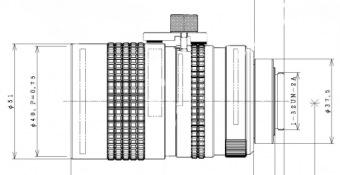
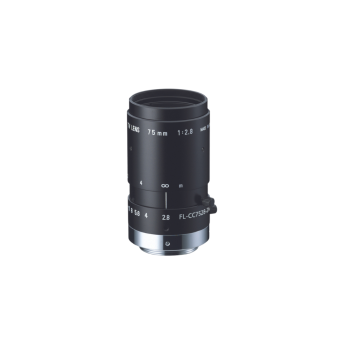
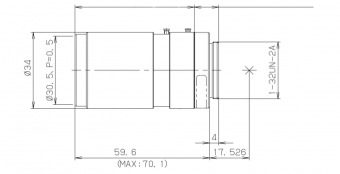
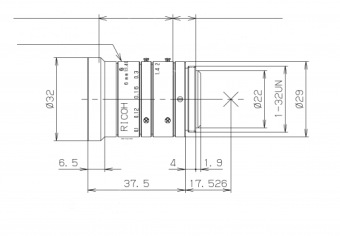
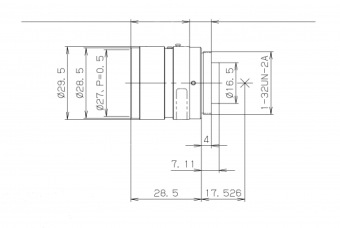
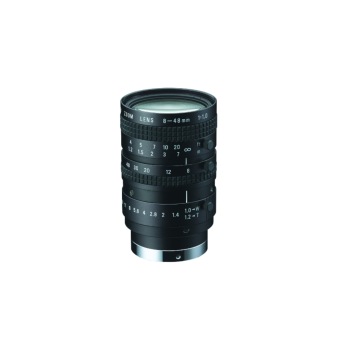
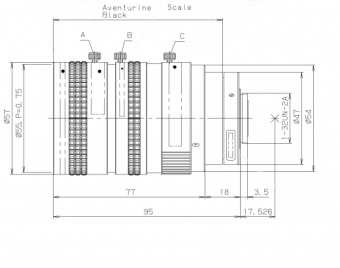
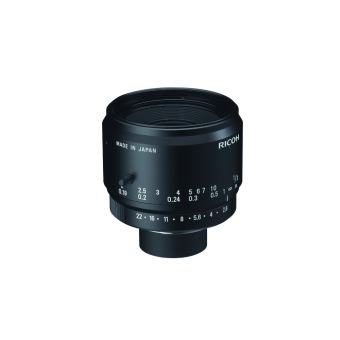
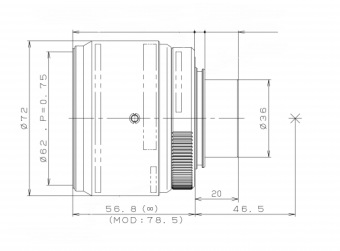
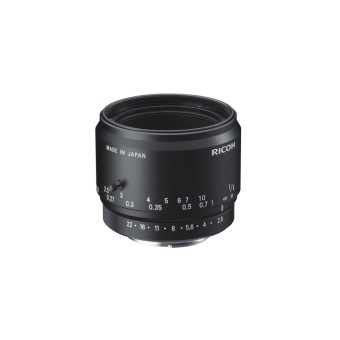
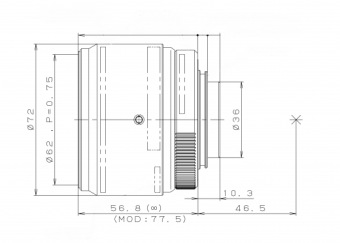
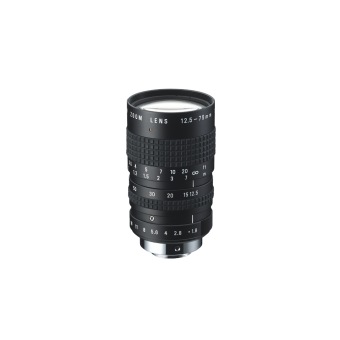
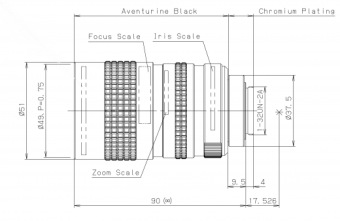
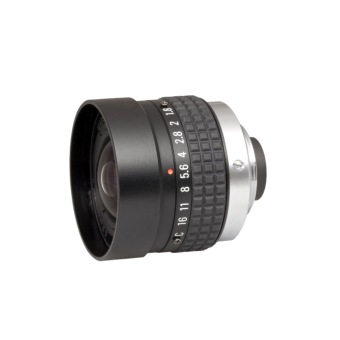
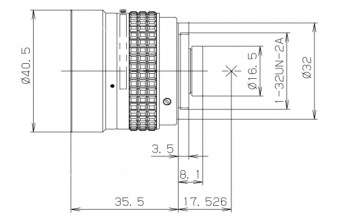
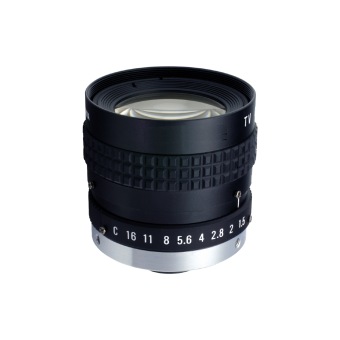
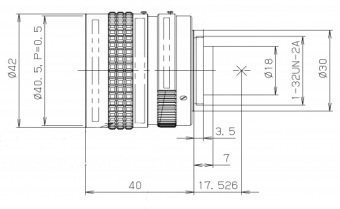
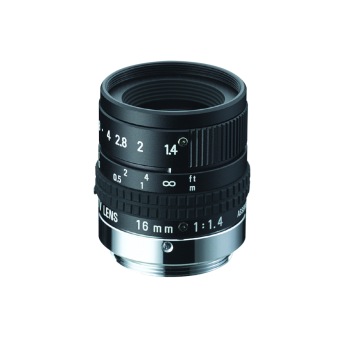
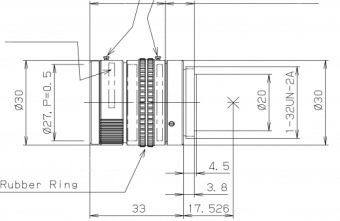
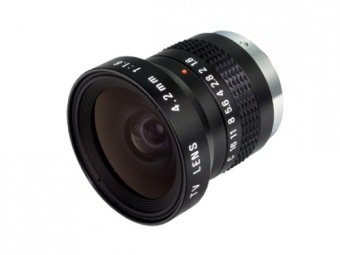
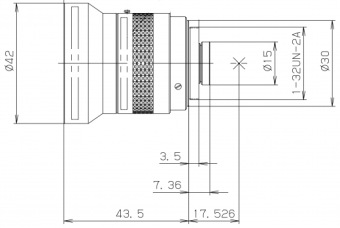
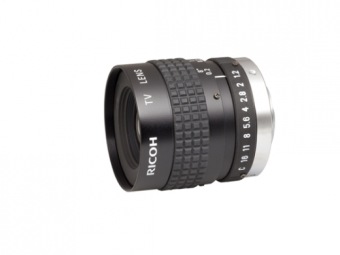
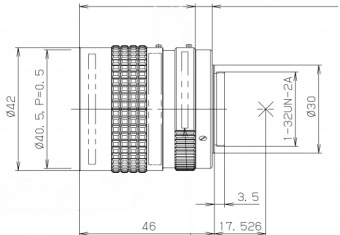
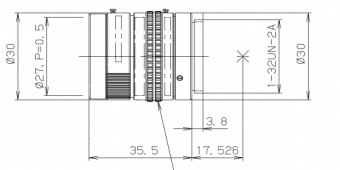
The former Ricoh FL series are still positioned by Optowl as FA / machine vision lenses for different resolution and sensor classes, including VGA, 2 megapixel, 5 megapixel, 9 megapixel / 12 megapixel, line-scan, UV and zoom lenses. When selecting or replacing one of these lenses, the part number is only the starting point. Always check whether sensor format, focal length, iris range, minimum object distance, minimum pixel pitch, angle of view and filter size match the camera and inspection setup.
Optowl / Ricoh lenses are commonly used for quality inspection, measurement, positioning, pattern matching, alignment and surface inspection with industrial cameras. In practice, lens selection becomes critical when small defects must be detected, when measurements are made close to the edge of the image, or when the illumination angle strongly affects the contrast of the inspected feature. A lens that looks acceptable during the first test can still become the limiting factor when camera resolution, lighting and mechanical mounting are pushed harder in production.
Especially in measurement, pattern matching and alignment, the lens quickly becomes decisive for system reliability. A lens that appears sharp in the center can still deliver insufficient detail or more distortion near the edges. This becomes visible when the inspection area is large, when parts are located close to the image edge, or when the software uses the full image for measurement or position detection.
Before selecting an Optowl or Ricoh lens, always check the complete image chain: camera resolution, sensor format, pixel size, field of view, working distance and illumination. For stable machine vision results, the lens should be selected together with the camera and lighting, not after the camera has already been chosen. This prevents typical problems such as soft image edges, insufficient detail resolution, limited focus margin or measurement errors that can only be corrected by software to a limited extent.
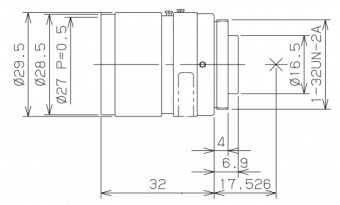
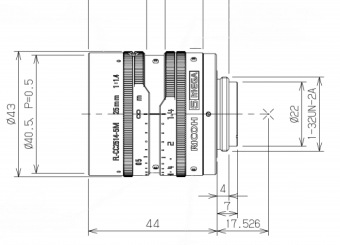
For detailed specifications of the former Ricoh FL series and the current Optowl FA / machine vision lenses, you can view the Optowl FA / Machine Vision Lens catalogue.
60 Items
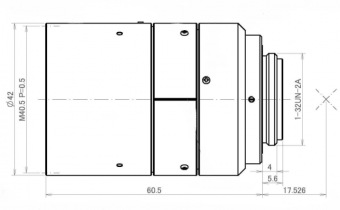
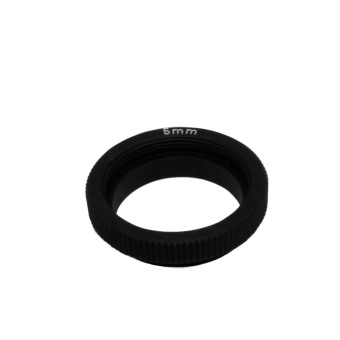
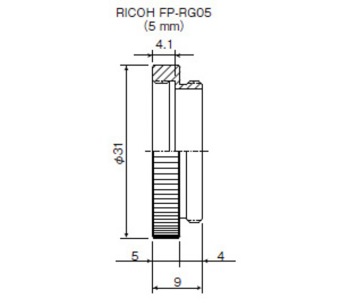
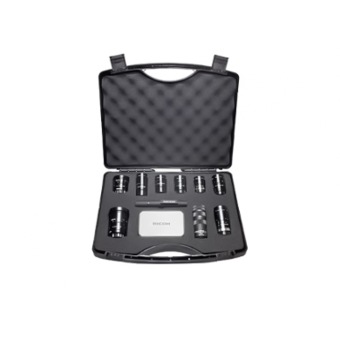
Didn't find what you were looking for? In addition to the products in our webshop, we have a broader range of RICOH products in our portfolio. Feel free to contact us at sales@vision-consultancy.nl or fill out our contact form.